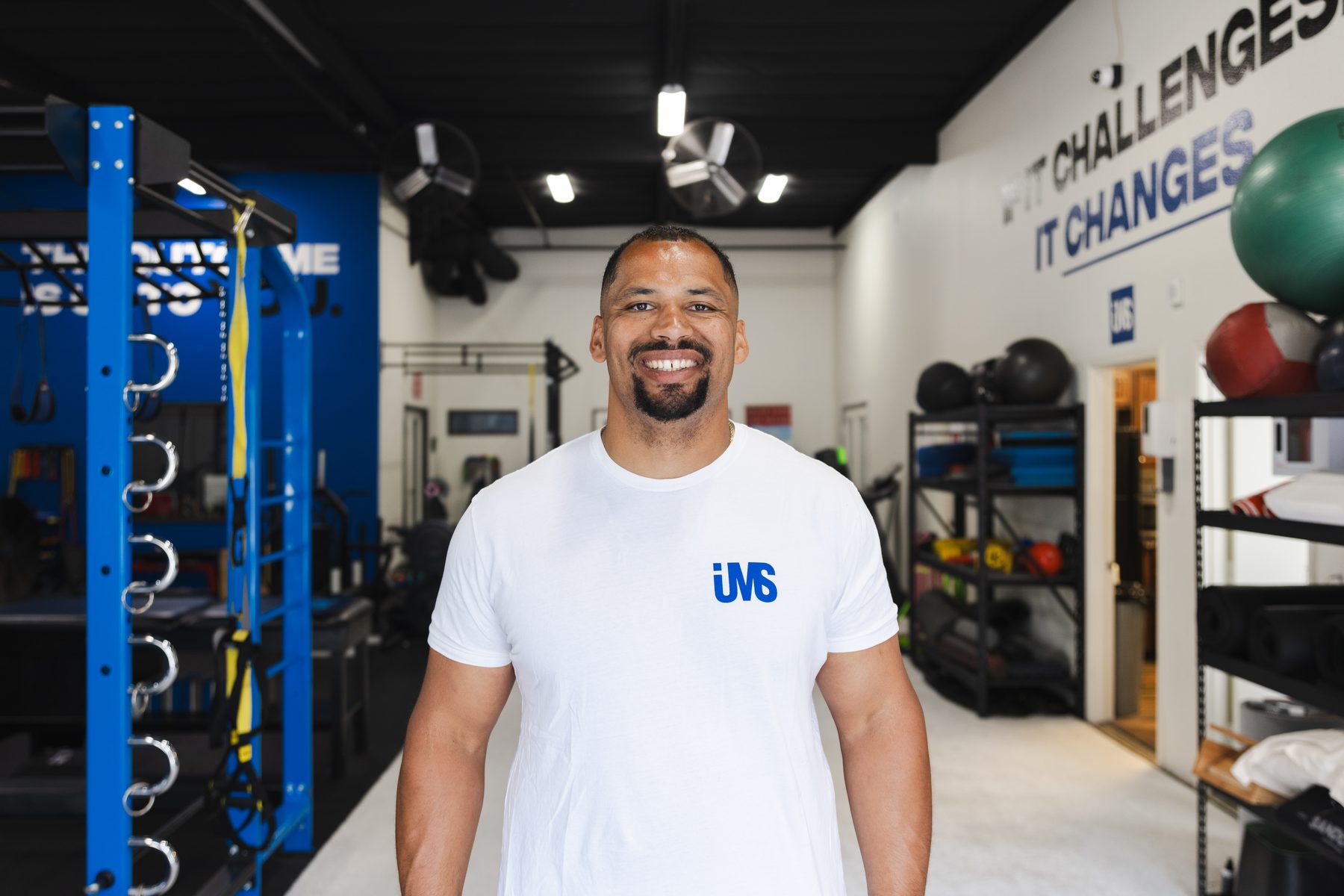
Home / About Jason
I spent years being handed between specialists. IMS is the studio I wanted then.
Founder, sole coach, and the reason the assessment comes before the barbell.
The story
I was into this before anyone paid me for it. I played Division I football, and I was the guy reading training books in his spare time — not because a coach assigned them, but because I wanted to understand why we were doing what we were doing. That was well before I earned my BS in Exercise Science at Cal Poly San Luis Obispo.
Football also cost me five surgeries during my college career. Which meant that for a long stretch of my twenties, I was in rehab more than I was in training.
The thing that actually bothered me
It wasn't the injuries. It was the handoffs.
I'd see an athletic trainer for one thing, a physical therapist for another, and a strength coach for a third. Each of them was good at their piece. None of them were talking to each other. The strength coach didn't know what the PT had found. The PT didn't know what I'd be asked to do in the weight room on Monday. I was the only person in the building holding the whole picture — and I was twenty years old.
So I started closing the gaps myself. I read everything I could find. I experimented on my own body because it was the one I had access to, and because waiting for the next appointment meant losing another week. I got good at it out of necessity.
What I kept thinking, over and over, was: I don't need three people. I need one. One person who understands what my joints can actually do, who can build a strength program around that, and who adjusts it as things change. That person didn't exist in my life. So eventually I became him.
Then FRC
I found Functional Range Conditioning after my playing career ended, and it reorganized how I thought about all of it. FRC's premise is that usable mobility isn't passive flexibility — it's active, controlled range you can produce yourself and hold under load. Once I understood that, everything I'd been fumbling toward on my own had a framework and a vocabulary.
It changed how I trained. Then it changed how my clients trained. Then it changed what happened to the people around them.
I hold every certification in the Functional Range system except Functional Range Release, which is restricted to licensed manual therapists. I keep going back to the summits, because the material keeps developing and I'd rather be current than comfortable.
What that means for you
IMS is one coach because that's the thing I needed and couldn't find. Your assessment doesn't get handed to someone else. Your program isn't written by one person and delivered by another. The gap I spent years falling through is closed by design.
To be clear about what this is and isn't: IMS is coaching, not healthcare. I don't diagnose, treat, or cure anything, and I'll tell you directly when something needs a licensed provider before it needs a barbell. Having been the guy who needed those providers, I take that line seriously.
Credentials
Certified in the systems the method is built on.
The Functional Range family was developed by Dr. Andreo Spina and is among the more demanding credential tracks in the movement field.
| BS, Exercise Science | Cal Poly San Luis Obispo |
| FRC | Functional Range Conditioning |
| FRA | Functional Range Assessment |
| Kinstretch | Group mobility instruction |
| FRC-ISM | Internal Strength Model |
| Athletics | Division I football |
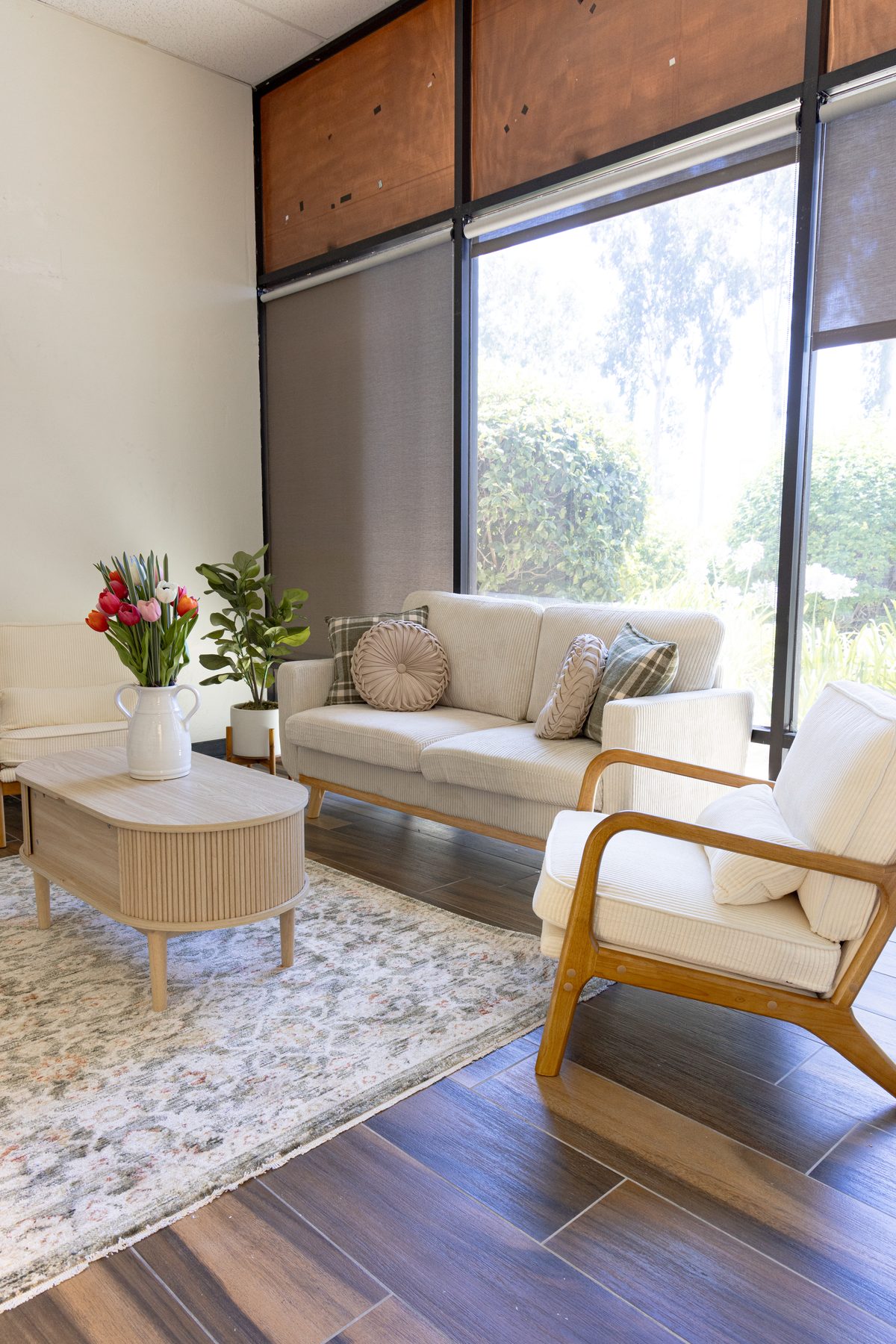
The studio
Suite D, Scripps Ranch.
Sessions are scheduled so the floor stays quiet. A full strength setup, a dedicated mat and assessment area, the Recovery Room, and a lounge that doesn't feel like a locker room.
- Mon–Fri 6:00 AM – 7:00 PM
- Saturday 8:00 AM – 1:00 PM
- Sunday by appointment
- Free parking directly outside the suite
Start here
Thirty minutes. No workout. No pressure.
The free Movement Assessment gives you a clear read on how your joints are moving right now and what a program would actually address. You leave with that either way.