Joint by joint
We work through the joints systematically rather than chasing whatever hurts. A restricted hip changes what the low back has to do; assessing in isolation misses that.
Home / The IMS Method
Assess, prepare, load, recover. Each stage produces the information the next one needs, which is why none of them get skipped.
Stage 01 · Assess
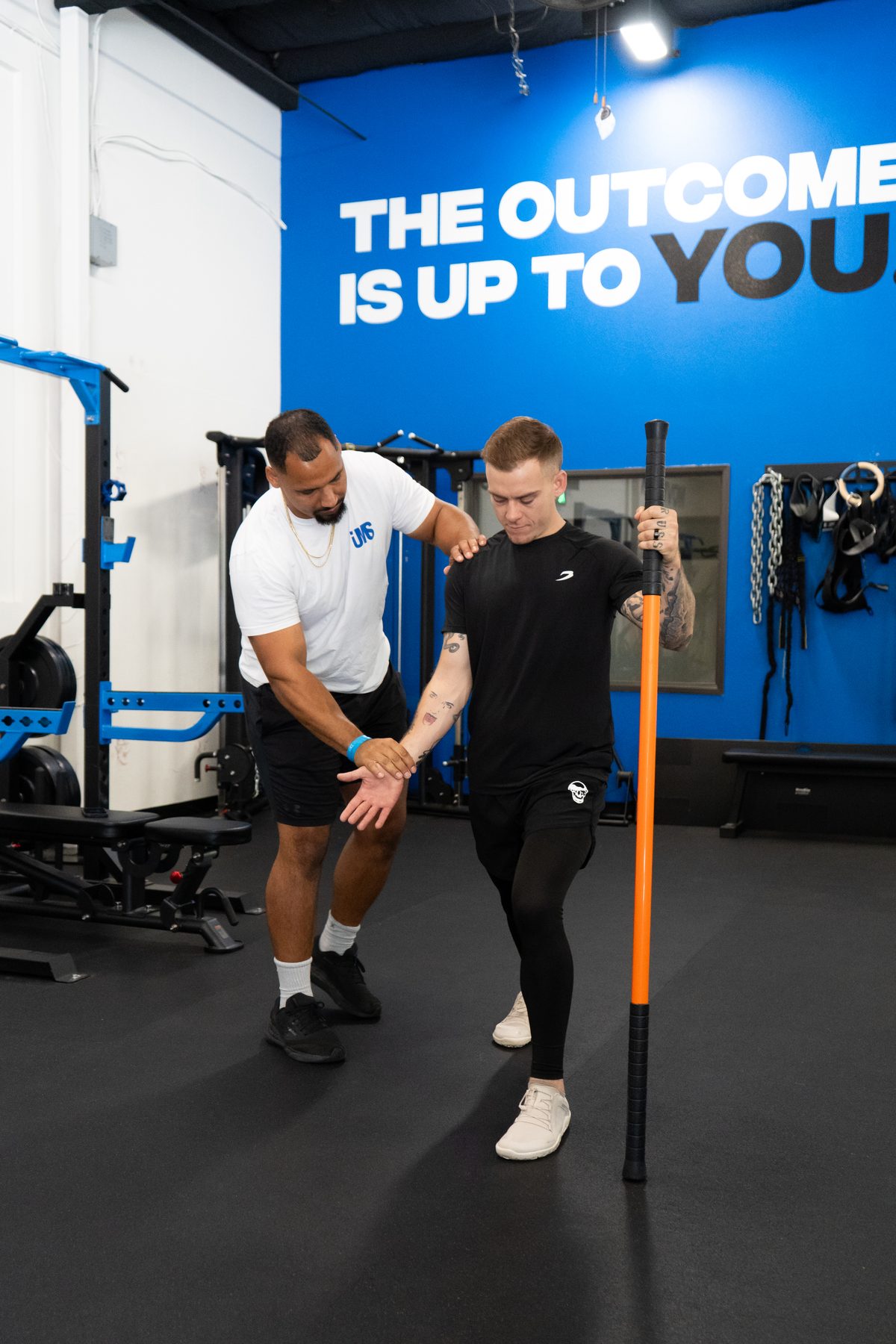
Anyone can be pushed into a position. The question is what you can get into and control on your own — and the gap between those two numbers is usually where the trouble is.
We work through the joints systematically rather than chasing whatever hurts. A restricted hip changes what the low back has to do; assessing in isolation misses that.
Range you can produce yourself is range you can use under load. Range that only appears when someone pushes you into it is not yet yours.
The assessment becomes the reference point. Progress is measured against your own starting numbers, not against a population average or an age chart.
Stage 02 · Prepare
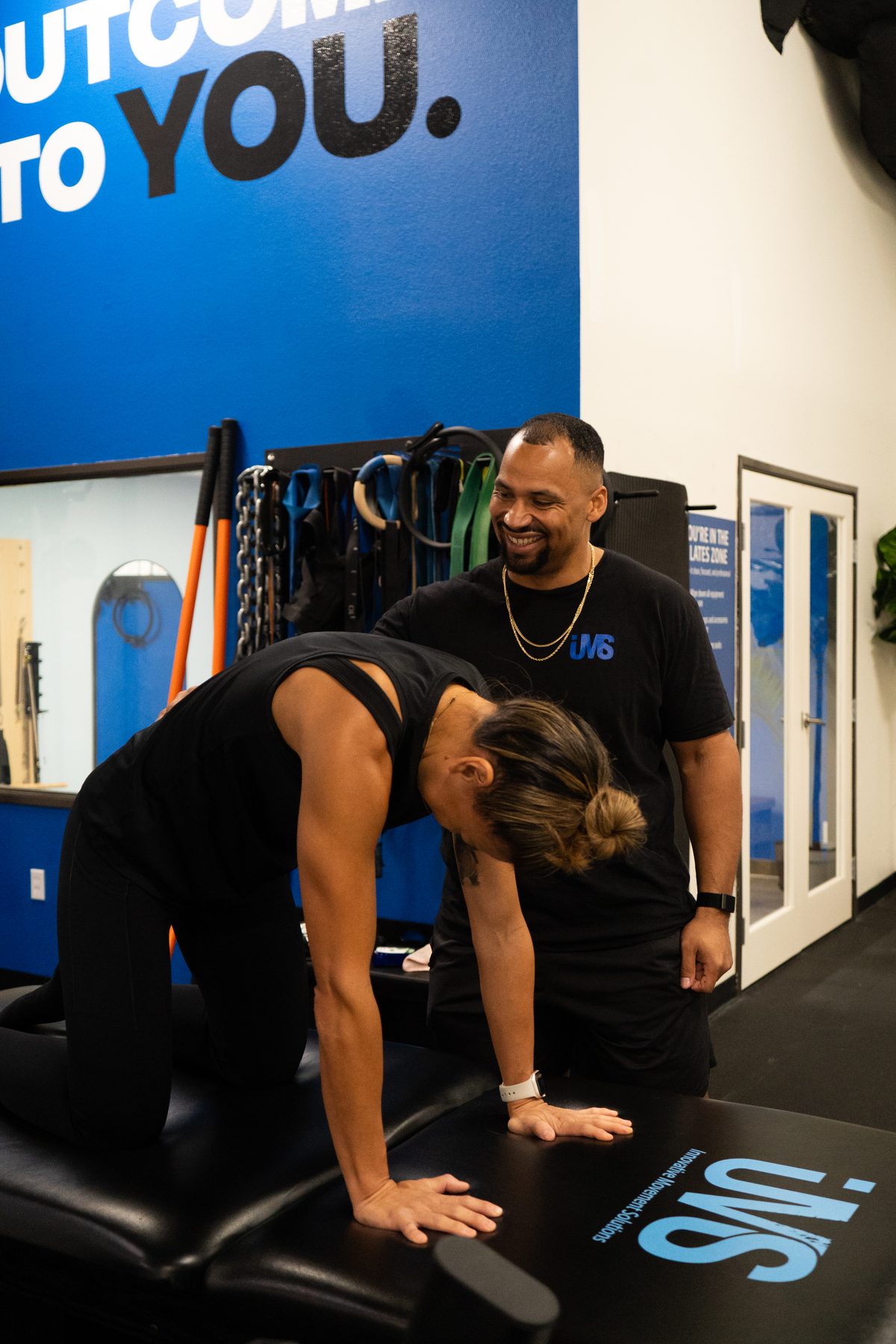
Controlled Articular Rotations — slow, deliberate rotation taken to the edge of what you control, one joint at a time. It is the least entertaining part of the hour and the reason the rest of it holds up.
Stage 03 · Load
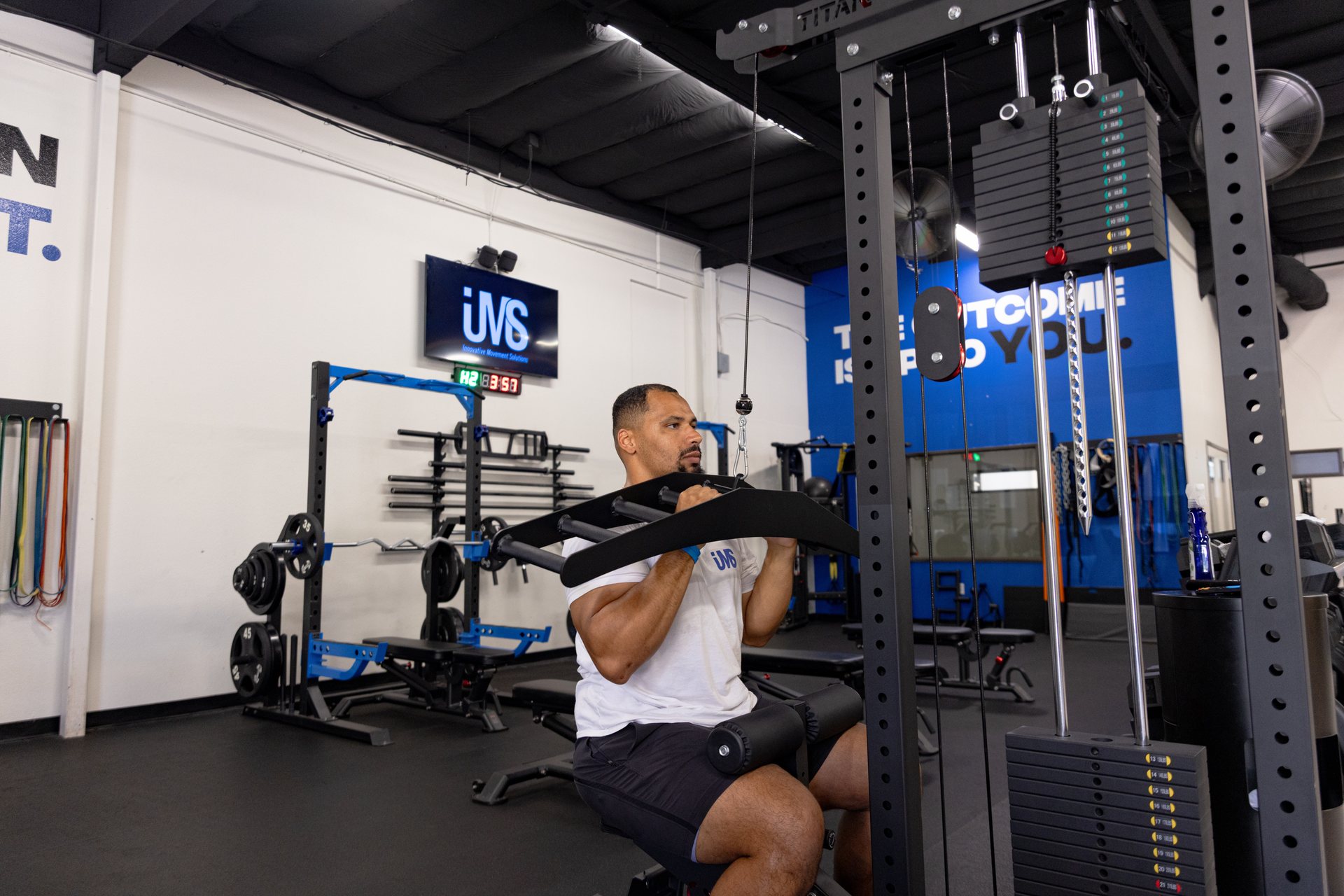
Once a joint can produce and control a range, load makes that range durable. Loading a range you do not yet control is how people end up back where they started.
Stage 04 · Recover
Training is the stimulus. What you do in the following forty-eight hours decides what you keep from it — so that window gets coached too.
Two hard sessions stacked back to back produce less than two well-spaced ones. Scheduling is part of the program, not an afterthought.
The least glamorous variables move the needle most. We talk about them plainly rather than selling around them.
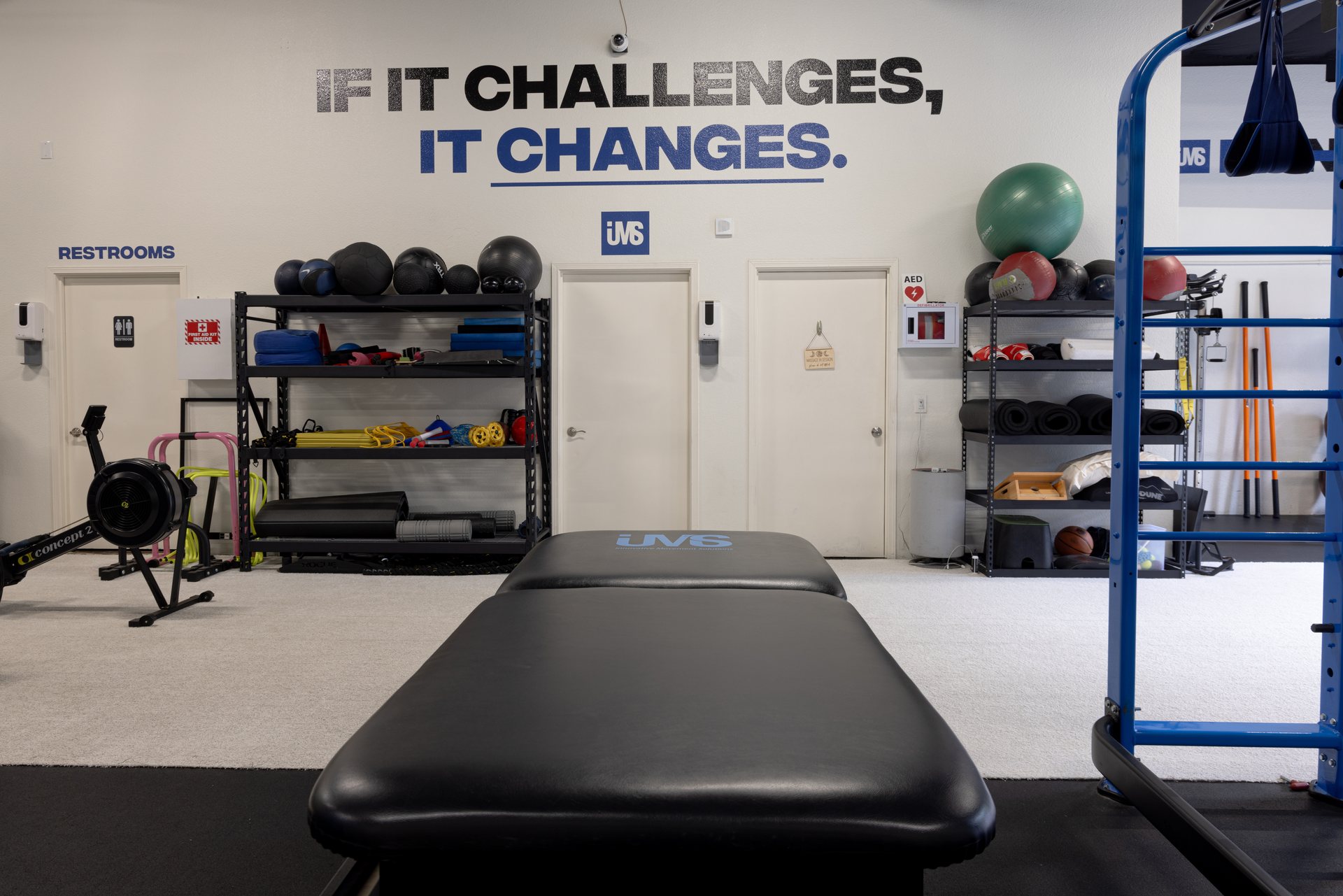
Compression, infrared sauna, PEMF, percussion, and vibration — unlimited with every membership. See the room.
Where the method comes from
FRC is a joint-health and mobility system developed by Dr. Andreo Spina. Its central claim is that usable mobility is not passive flexibility — it is active, controlled range that you can produce and hold under load. Training it means building strength at the end ranges of a joint, not just stretching into them.
Jason holds FRC, FRA, Kinstretch, and FRC-ISM certifications. The IMS Method applies that framework inside a general strength program, which is why the assessment comes first and the barbell comes fourth.
Start here
The free Movement Assessment gives you a clear read on how your joints are moving right now and what a program would actually address. You leave with that either way.